How Factory-Built Homes Are Changing the Way People Add Living Space
Ask a contractor how long a simple guest house addition takes and the honest answer is: it depends, and probably longer than you hoped. Permits stall. Subcontractors double-book. Rain pushes the framing crew back two weeks that somehow turn into four. None of that happens on a factory floor. Prefab construction skips the job site for most of the build, and that one change is quietly reshaping how homeowners think about adding space in the backyard.
Why Now, of All Times
Labor is scarce, land is expensive, and construction timelines have stretched well past what most homeowners expect going in. Building indoors instead of on site sidesteps a lot of that at once. A factory doesn't lose weeks to rain. It isn't fighting every other job site in town for the same electrician. And because crews build the same unit over and over, they get faster and cleaner with each one instead of relearning the layout from scratch every time.
What the Numbers Say
McKinsey ran the math on this a few years back: modular and prefabricated construction can finish a project 20 to 50 percent faster than a comparable site-built job, with cost savings running as high as 20 percent when it's done right. Japan and parts of Scandinavia have leaned on this model for decades. The US is only now catching up, mostly because labor shortages finally made the case impossible to ignore.
What Actually Happens Inside the Factory
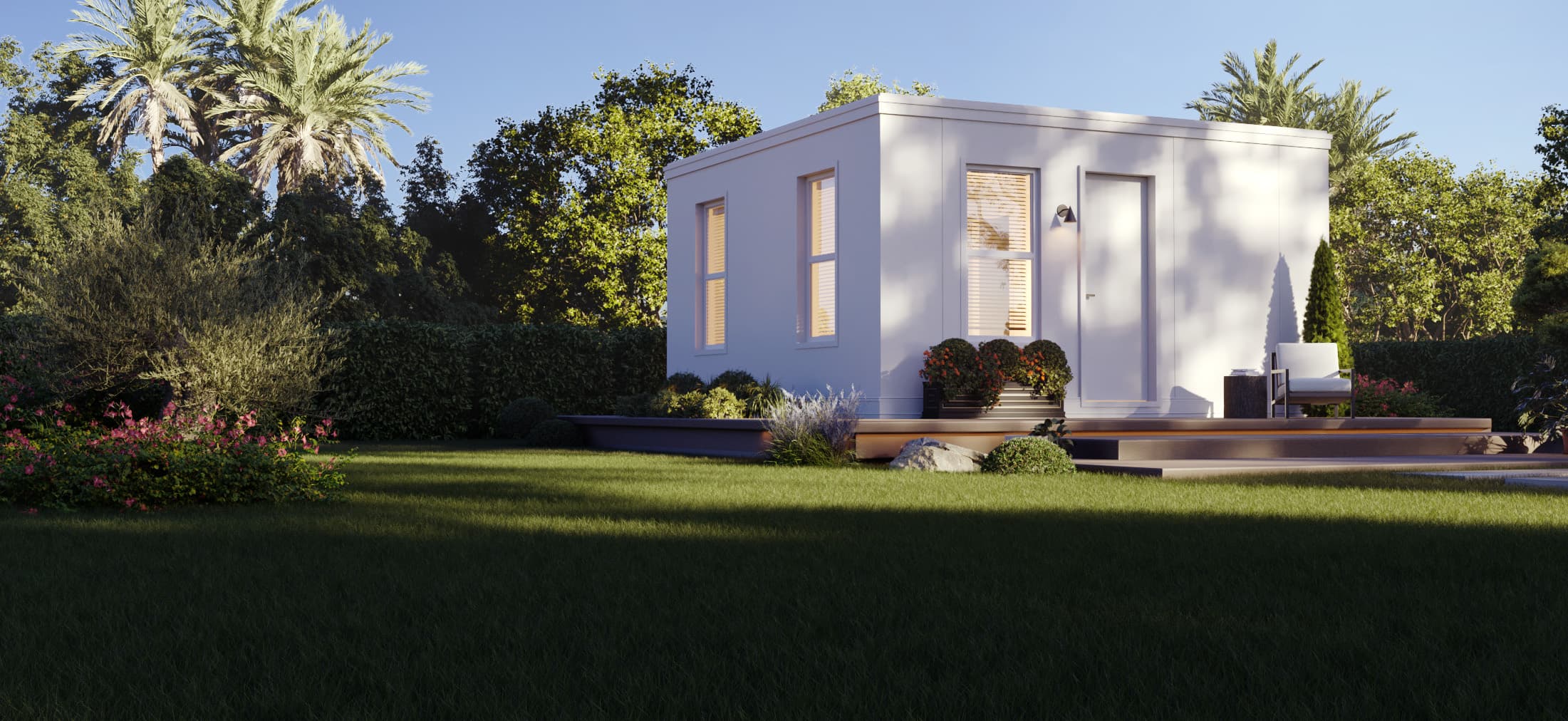
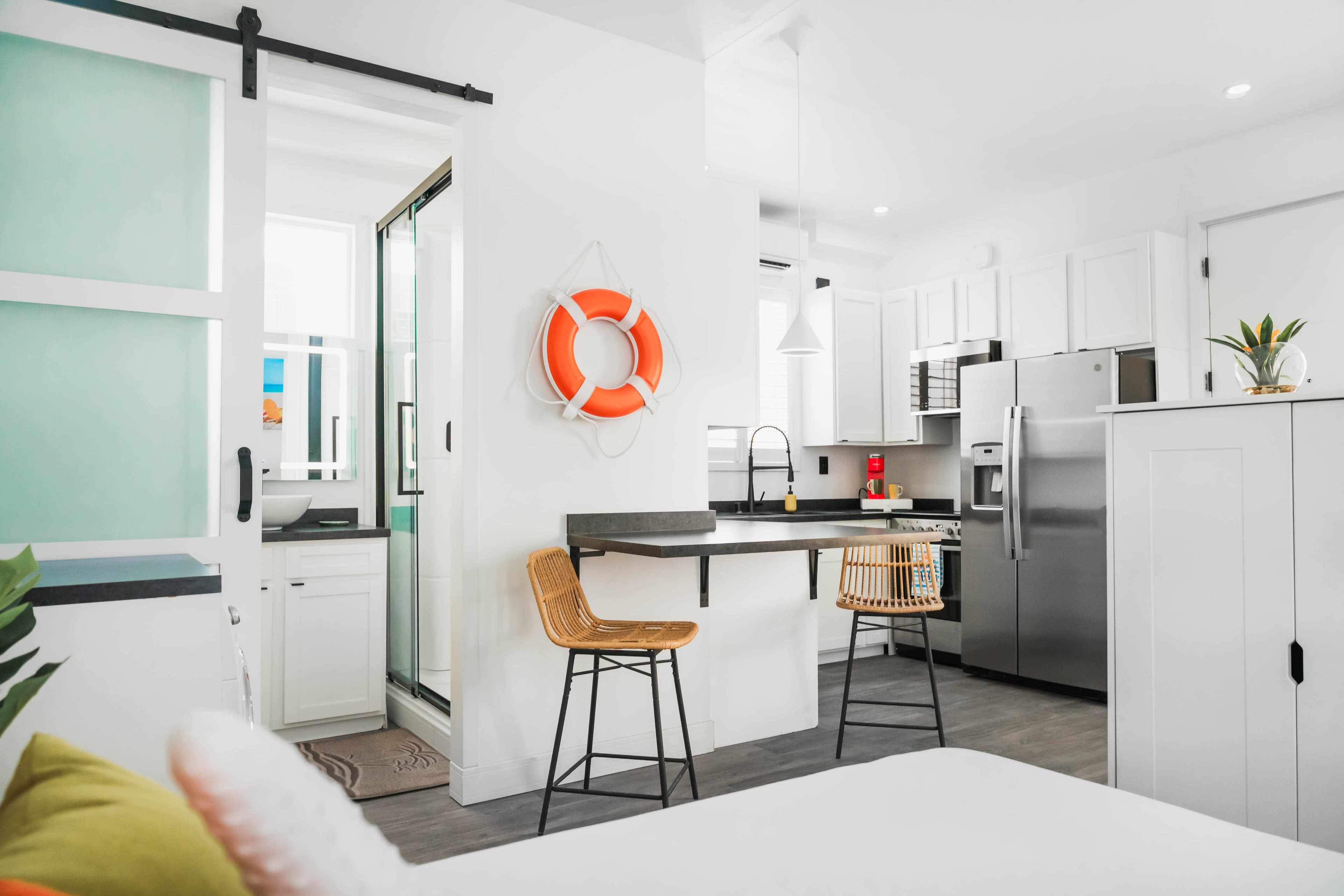
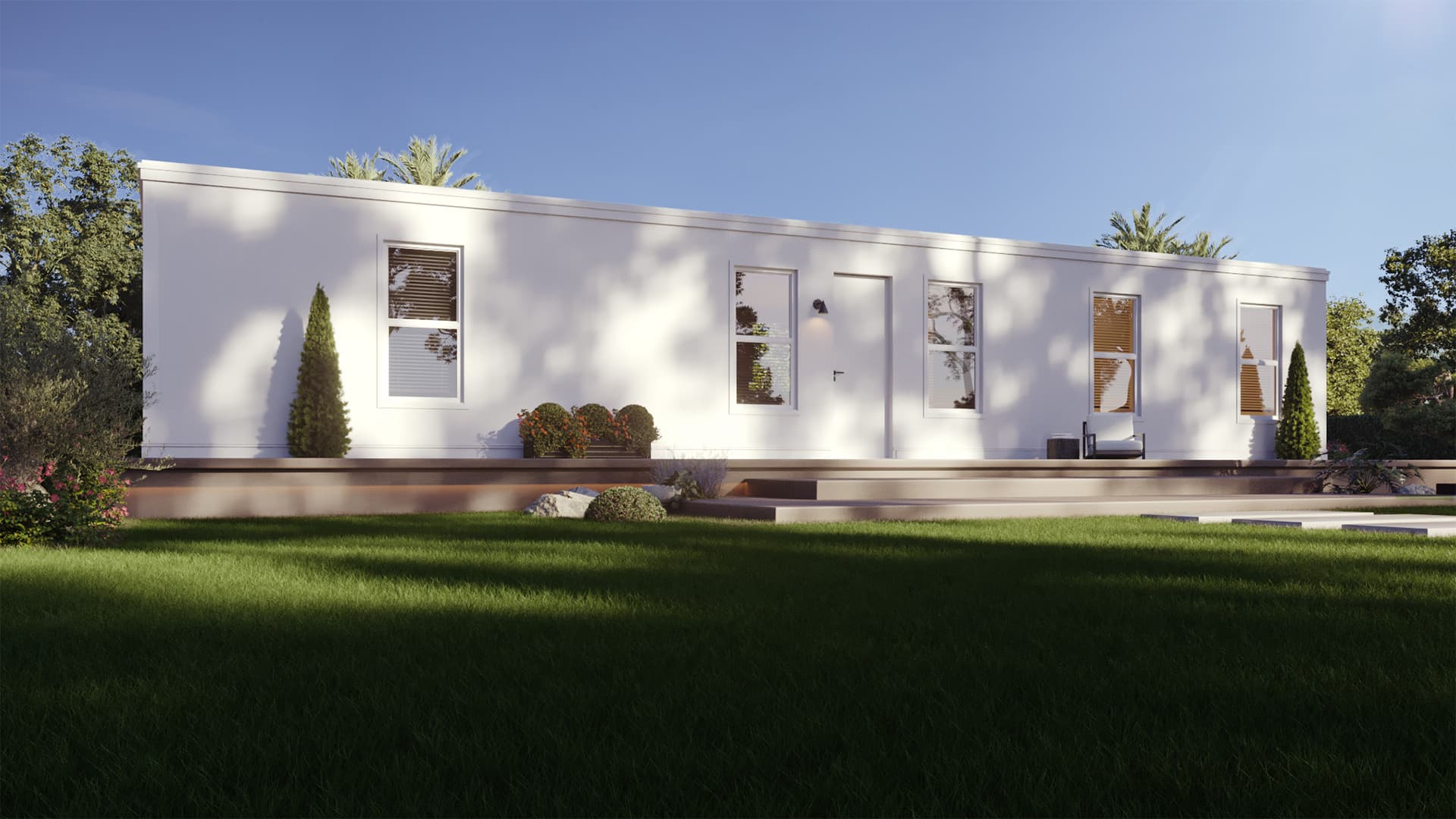
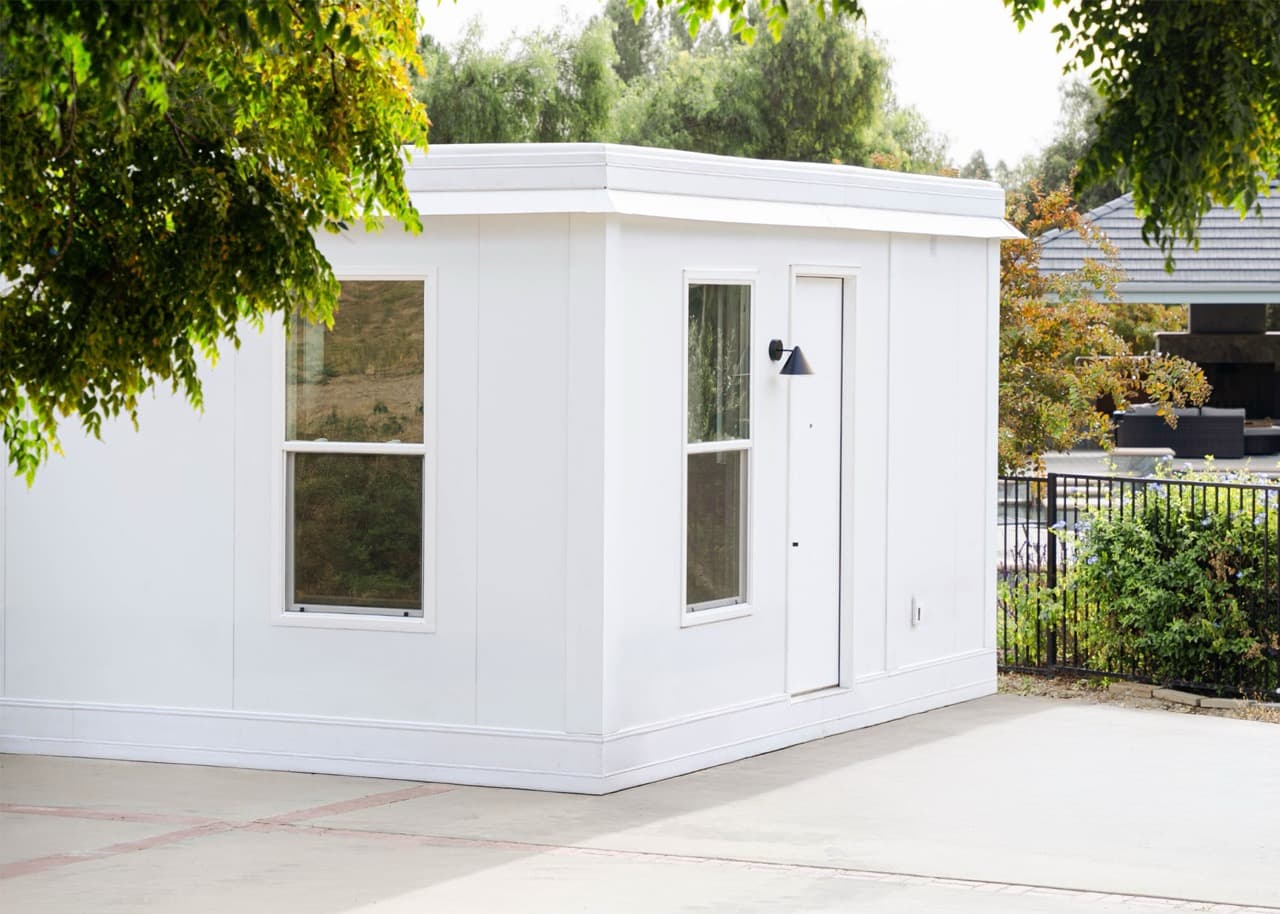
Picture something closer to a car assembly line than a construction site. Framing, wiring, plumbing, drywall, cabinetry, it all moves through in stages, checked at each step, under a roof that doesn't care what the weather's doing outside. BOXABL builds its Casita this way inside its Las Vegas facility. The finished unit, 361 square feet with a full kitchen, bathroom, and utilities already wired in, ships on a single trailer and unfolds on site in under an hour. Compare that to weeks of a crew showing up piecemeal to frame, wire, and plumb a traditional addition.
Does Factory-Built Mean Cheap and Flimsy?
That's the old assumption, and it's mostly outdated at this point. Manufactured housing decades ago earned prefab a reputation it's still shaking off. But building the same unit to the same spec every time actually works in the buyer's favor. Materials and methods get engineered specifically for factory conditions, tested once, then repeated exactly, rather than depending on how sharp one particular crew happens to be on one particular Tuesday. Energy efficiency, fire resistance, wind resistance, all of it tends to hold up better under that kind of consistency.
What This Means If You're Adding Space
A months-long project taking over your yard is its own kind of cost, separate from the invoice. No dumpster parked in the driveway all summer, no exposed framing catching rain, no finish date that keeps sliding another two weeks. A prefab unit shows up mostly done, gets set on its foundation, hooked to utilities, and lived in. That speed matters just as much whether you're building a rental, space for a parent, or room for a family that's simply run out of it.
Prefab, Modular, Manufactured: Not the Same Thing
Worth clearing up, since people use these words interchangeably and they aren't. Prefab is the umbrella term, anything built substantially off site. Modular homes sit under that umbrella and get built to the same state and local codes as a site-built house, just assembled elsewhere first. Manufactured homes are different: a federally regulated category built to the HUD code instead of local codes, the category most people actually picture when they hear the words mobile home. BOXABL's Casita is modular, held to the same standard a site-built structure has to meet, which ends up mattering for financing and resale.
An Industry Scaling Faster Than Most People Realize
Prefab is still young compared to traditional construction, but it isn't staying that way. Manufacturers are picking up new state licenses, expanding plant capacity, and signing deals to deliver units in batches of a hundred or more to developments across several states. That's not a pilot program anymore. That's an industry finding its footing.
The Energy Bill Nobody Talks About
One thing that rarely comes up: a tighter building envelope. Sealing and insulating a unit indoors, under consistent conditions, tends to leave fewer gaps around windows, doors, and seams than assembling the same thing outside across a stretch of unpredictable weather. Less air leaking out means the heating and cooling system isn't working overtime, which shows up as a smaller number on the utility bill every month, whether it's a renter living there or the homeowner.
Where This Leaves Homeowners
None of this makes prefab construction cheap for the sake of being cheap. It makes it fast, and it makes it consistent, without asking anyone to give up the design or durability of a well-built space. As labor stays scarce and housing costs stay in the headlines, factory-built construction is going to keep eating into how people add room to their lives, one finished unit at a time.
If faster, factory-built construction sounds like the right fit for your next project, take a closer look at the BOXABL Casita to see the floor plans, specs, and pricing for yourself.