Will Adding a Backyard Casita Actually Raise Your Home's Value?
A backyard casita isn't just extra square footage tacked onto a lot. Ask around and you'll hear it framed as a rental unit, a spot for an aging parent, a home office, sometimes all three depending on the year. What almost nobody asks upfront is whether any of that actually shows up as home value once an appraiser walks through, or whether the return is mostly theoretical until the day you sell. There's real data on this now, and it's more useful than the round numbers builders throw around to close a sale.
What the Research Actually Found
Researchers at UC Irvine tracked what happened to property values in Los Angeles after the city loosened its ADU permitting rules. The number that came out of it: homes with a legal accessory dwelling unit gained 40 to 60 percent in value on average. That's a wide range, and it's tied to a specific market. Land in LA is expensive and scarce, so a second legal home on the lot means something there it might not mean on a quarter-acre lot in a subdivision with room to spare. Smaller markets with looser zoning tend to see smaller gains. Still real. Just not headline material.
Why It's Not Really About Square Footage
Here's the thing about a casita: the value doesn't come from the extra 300 or 400 square feet. It comes from what that space is legally allowed to do. A permitted unit with its own kitchen, bathroom, and entrance is a second home in the eyes of a lender, an appraiser, and a renter. Freddie Mac's own housing research lists ADUs alongside equity and rental income in the same breath, not as an afterthought under home improvements. It's not a bonus room. It's a second asset sitting on the same parcel.
The Appraisal Gap Nobody Mentions
Where things get messier is at appraisal time. Appraisers work off comparable sales, and in a lot of neighborhoods there just aren't enough recently sold homes with a casita out back to build a clean comparison. That's changing as ADUs become more common, but right now it means the value bump doesn't always show up as a tidy number when you refinance six months after building. It shows up later, at resale, or in the rent check that hits your account every month in the meantime.
What California Homeowners Ask About Taxes
Prop 13 covers this one directly. Building a casita doesn't trigger a reassessment of the main house or the land underneath it. Only the new structure gets a fresh assessed value, so the tax increase is tied to the casita itself, not the whole property. For most homeowners that's a few hundred dollars a year, not a jump in their base rate.
Where a Factory-Built Casita Changes the Math
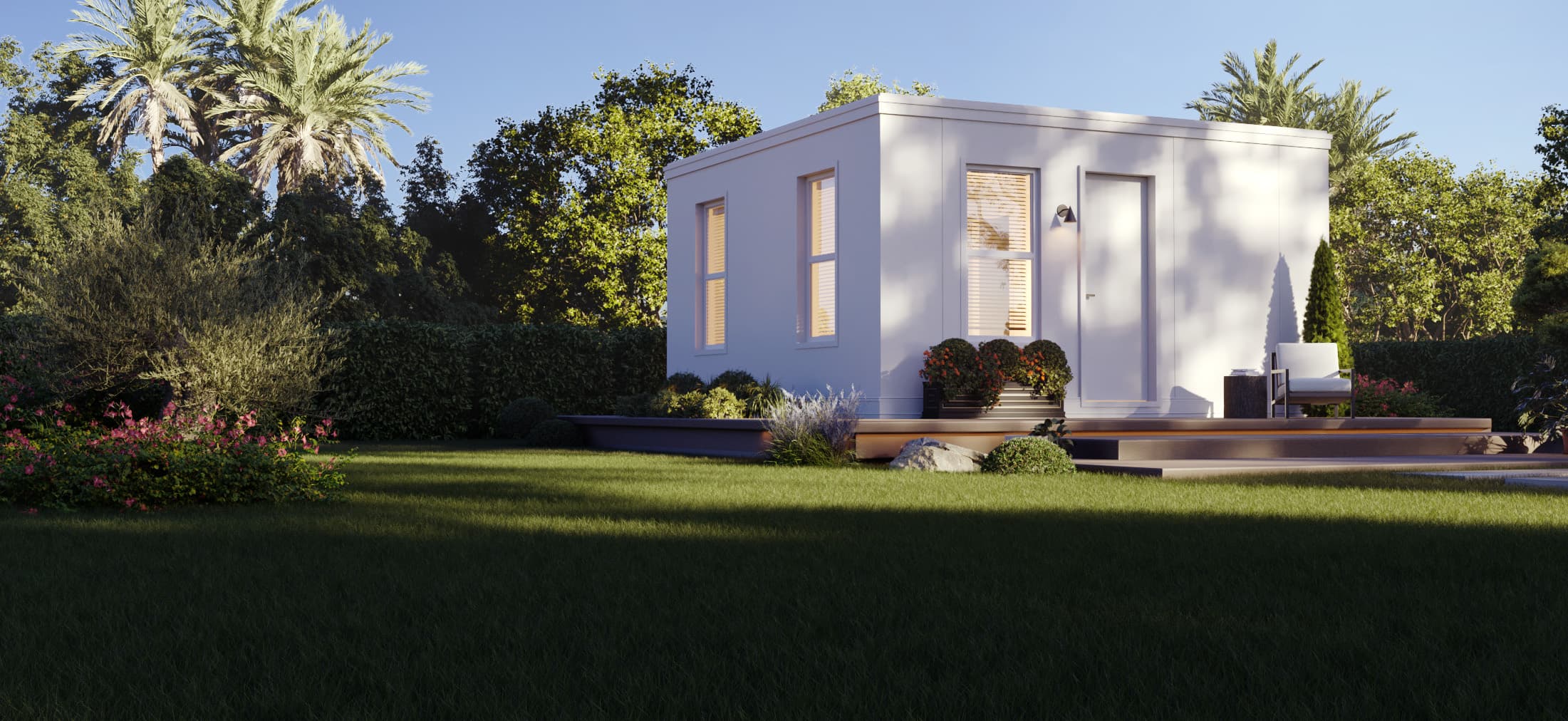
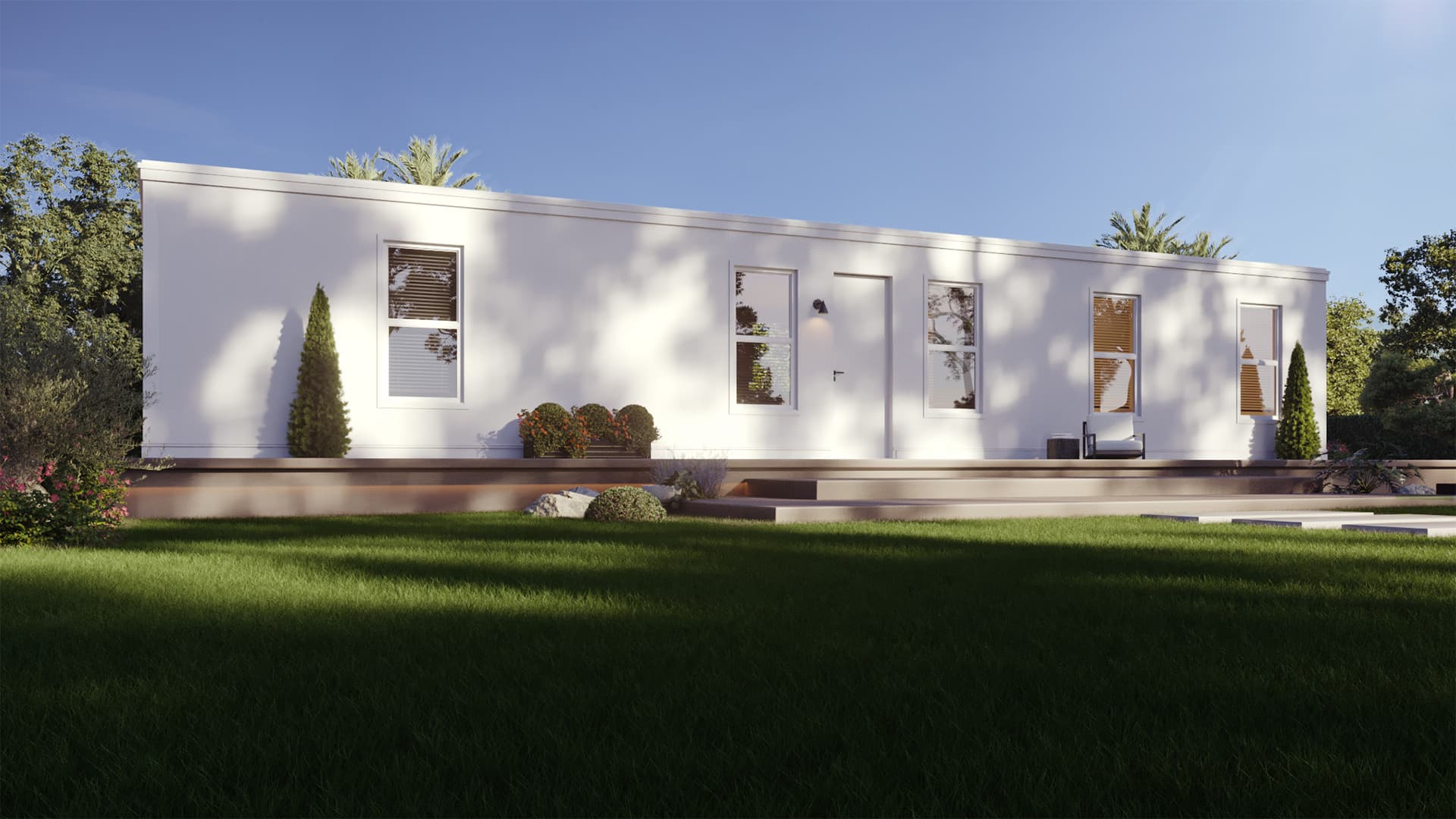
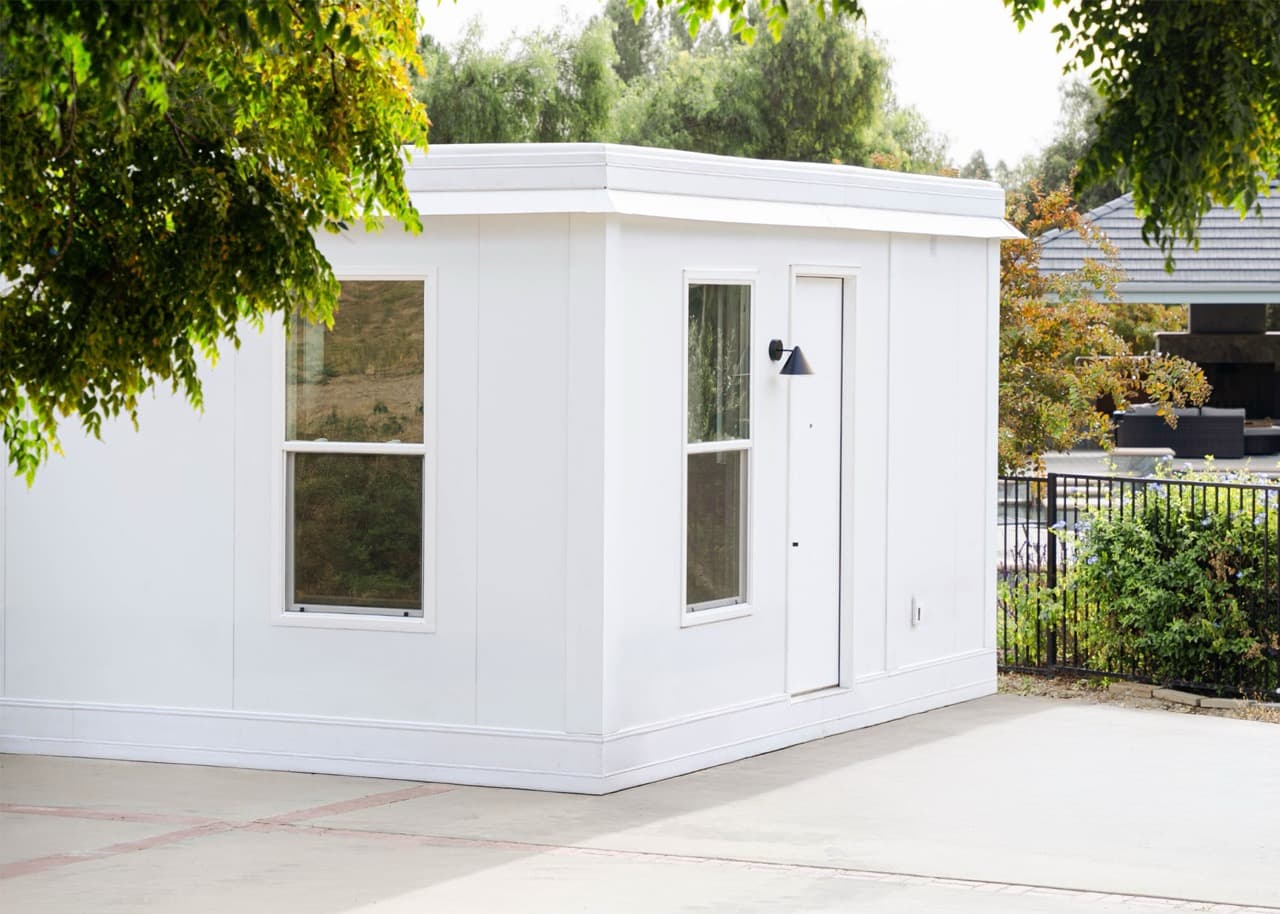
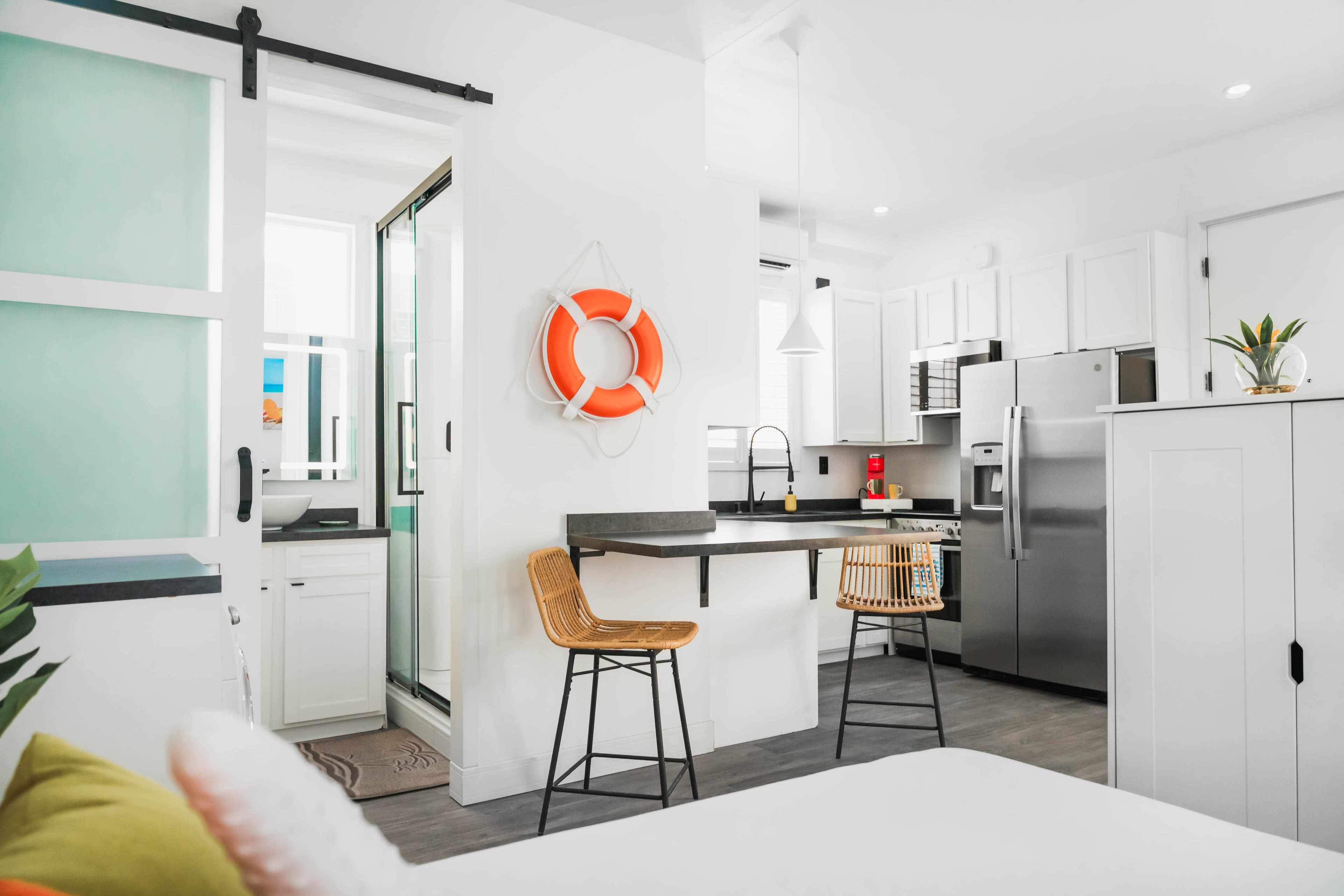
This is where something like the BOXABL Casita earns its keep. It's built off site, shipped on a single trailer, and unfolds into a 361-square-foot studio with a kitchen, bathroom, and utilities already in place. No months of exposed framing, no waiting on six different subcontractors to show up in the right order. Because the unit is finished under factory conditions instead of at the mercy of weather and scheduling, homeowners get from decision to move-in ready considerably faster than a stick-built addition. That matters more than people think, because a casita sitting half-built for eight months isn't generating rent or adding value. It's just sitting there.
Rental Income Usually Gets There First
Long before resale value shows up, rent does. A casita rented out, whether long-term or on a short-term platform, can cover a serious chunk of a mortgage payment. In tighter rental markets it can cover the whole thing. Homeowners who never plan to rent it out still tend to benefit, since buyers are increasingly searching specifically for properties that already come with a second legal unit.
Not Every Casita Adds the Same Amount
A few things swing the number up or down. Zoning is the big one. A lot that allows a detached, fully permitted unit sees more upside than one where local rules force a smaller or attached structure. Finish quality matters too, more than people expect going in. Real appliances, decent flooring, ceiling height that doesn't feel like a converted shed. Two casitas can be the same square footage and appraise completely differently based on how they're finished out.
How It Stacks Up Against a Regular Addition
Compare a casita to the more traditional move, a bedroom or bathroom addition, and the difference is flexibility. An addition raises value too, sure, but it doesn't generate income and it can't really change function later. A casita can. Guest space one year, rental unit the next, home office after that, caretaker suite eventually. That flexibility is a big part of why appraisers and buyers are starting to treat legal ADUs as their own category of asset instead of lumping them in with square footage.
So, Is It Worth It?
There's no single number that applies to every backyard casita, and anyone who quotes you one without asking about your zip code, your zoning, and your build quality is guessing. What the research does support is that a legal, well-finished ADU adds equity, adds income potential, and adds flexibility a standard room addition just doesn't offer. The real question for most homeowners isn't whether it adds value. It's how fast they can get one built well enough to start collecting on it.
If you're weighing a casita for your own backyard, the BOXABL Casita is built to be factory-finished and permit-ready, so you're not waiting months to start seeing any of this play out.