How Prefab Homes Are Actually Built Inside a Factory
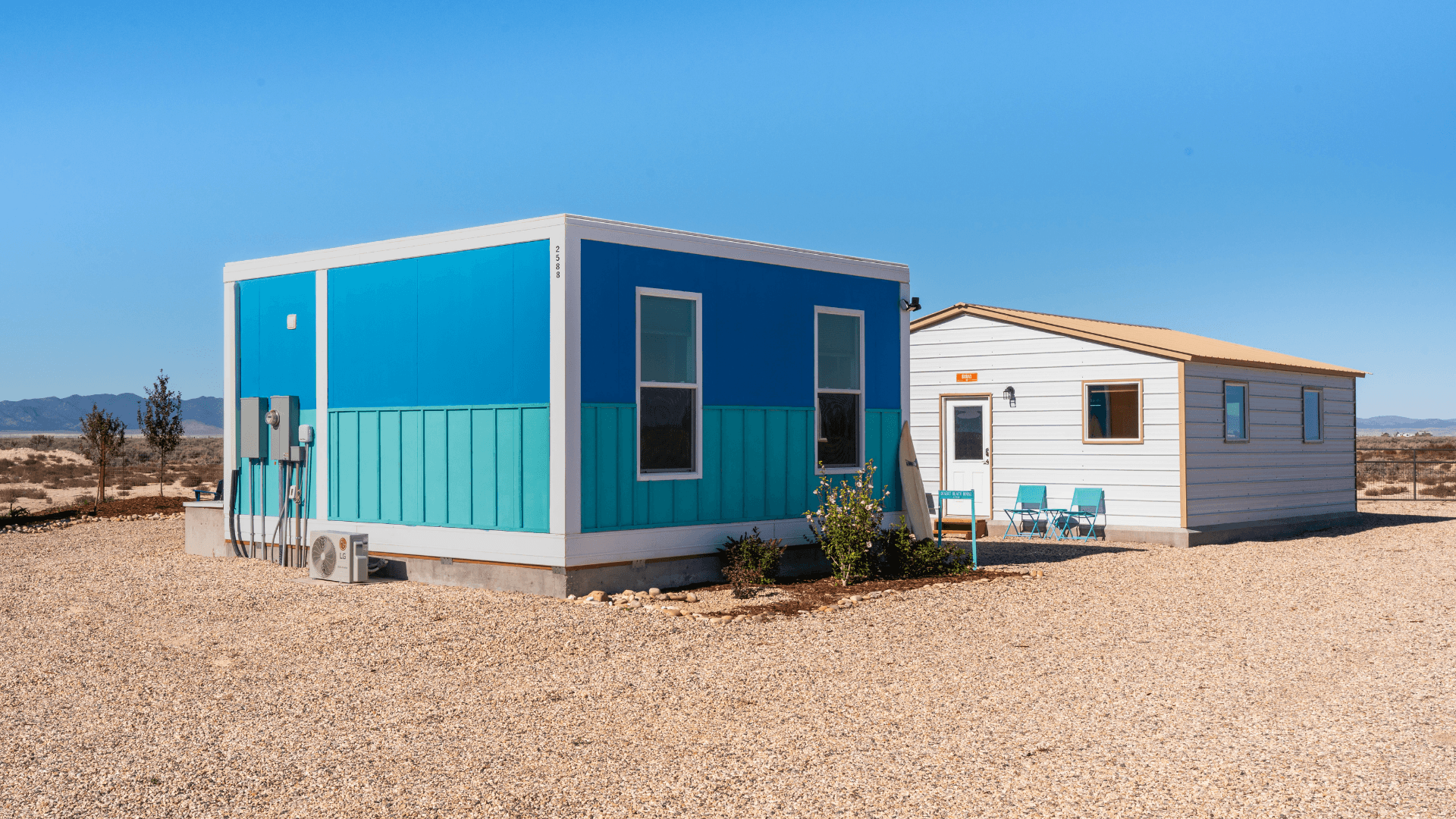
Prefab homes are gaining popularity as more people look for faster, cheaper, and greener ways to build homes. Also known as 'prefabricated homes' they are built in sections inside a factory and later assembled on site without sacrificing quality. Every process uses modern techniques for fast and efficient construction.
If you are planning a backyard studio or a full-time residence, understanding how these big boxes are constructed and made before they roll out of the factory doors can help you make a good decision.
What Happens Inside a Prefab Home Factory, 7 Key Steps
Every manufacturer's line differs, but most factory-built homes move through the same core stages.
1. Digital Design and Engineering
The home is first planned digitally before any materials are cut, and engineers review the design for structural, wind, and energy-code requirements. The digital model is then converted into detailed cut lists and step-by-step fabrication instructions.
2. Chassis and Structural Frame
The construction process begins differently depending on the building system being used. Some homes begin with a steel chassis, and others use a framed base. This forms a structural foundation for everything that follows and is engineered to withstand the demands of transportation.
3. Wall, Floor, and Roof Panel Fabrication
This is where factory construction starts to look very different from a traditional building. Instead of stick-framing walls at the jobsite, manufacturers assemble prefabricated panels in a controlled indoor environment.
These may be structurally laminated units that combine framing, insulation, and sheathing into a single assembly. Building indoors reduces exposure to rain, wind delays, and the inconsistencies that can occur during field framing.
4. Rough-In: Electrical, Plumbing, and HVAC
Once the walls and floors are built, crews install wiring, plumbing, and ductwork while the structure remains easily accessible. Because the layout is standardized, crews can complete installations more consistently and reduce errors common in custom, one-off site work.
5. Interior Finishing
Once the systems are installed, the home starts looking like a finished house. Workers add flooring, cabinets, fixtures, appliances, and paint in a planned sequence. Many prefabricated homes leave the factory close to move-in ready, right down to the light switches.
6. Quality Control and Inspection
Before a unit ships, it passes through several inspection stages, with third-party inspections where the applicable code requires. A controlled and repeated process makes it easier to spot problems before the home reaches the site.
7. Wrapping and Transport
Finished units are weather-protected, wrapped, and secured for transport. Depending on the construction system, they may travel as a single folded unit or as separate modules that get set and joined on-site.
Why Factory Conditions Change What's Possible
Building indoors offers benefits that go well beyond weather protection. According to the U.S. EPA, construction and demolition activities produce roughly 600 million tons of solid waste annually, and the Modular Building Institute reports that factory-built construction can cut that waste by 90% because materials are ordered precisely and mistakes get caught before a module ever leaves the plant.
Factory construction also allows manufacturers to manage production through better planning and coordination. Since each stage goes through a scheduled sequence, suppliers, designers, and builders can work together more efficiently.
This approach makes it easier to manage larger projects, maintain predictable timelines, and deliver multiple homes with a similar level of quality.
Factory crews are less affected by weather disruptions, and supervisors following a consistent production process can often identify issues earlier than teams working across changing job sites.
Prefab, Modular, and Manufactured Aren't the Same Thing
These terms get used interchangeably, but they're not identical, and the difference matters if you're comparing options. "Prefab" is the broad umbrella covering anything built off-site.
Under that umbrella, manufactured homes are built to the federal HUD Code, while modular homes are built to the same state and local codes as a site-built house. HUD.gov outlines exactly what's regulated at each level.
Where This Shows Up in Real Life: ADUs and Beyond
An accessory dwelling unit (ADU) is essentially a small, independent home added to an existing property and is one of the fastest-growing use cases. Because the structure is built in a factory and delivered largely finished, an ADU can go from order to occupancy far faster than a site-built addition, with much less disruption to the property.
The same factory efficiency that allows the creation of a single backyard unit also scales well to development of entire projects, which is why prefab has become a serious tool for delivering housing faster at the community level.
The Boxabl Approach to Factory-Built Housing
Boxabl builds its Casita line from structurally laminated panels made of steel, concrete, and EPS foam, engineered to fold flat for shipping and unfold into a finished home on-site. The gallery provides a look at the factory process, and visitors in the Las Vegas area can also explore the production process through available factory tours.
Boxabl also runs an affiliate program, so if you end up talking about prefab housing with friends or a wider network anyway, there's an option to earn from those conversations rather than just having them.
Live Smart with Prefab Homes
Prefab construction isn't a shortcut version of a "real" home. It's the same trades, materials, and code requirements, just more organized into a controlled process that offers a different level of consistency compared with traditional job sites. If you want to see what that looks like in practice, Boxabl's Casita lineup is a solid place to start, and you can always start your journey with a home that fits your world.