Manufactured and Modular Homes Aren't What They Used to Be
Mention "manufactured home" to most people, and they picture the same thing without much hesitation: a single-wide, built cheap, hard to unload down the road. That image has hung around for decades, and for a long stretch of that time, it was a pretty fair read.
Where it falls apart is the timeline. The homes being built now don't much resemble the ones that earned that reputation in the first place, even though the label never got updated to match.
Some of the mix-up comes down to plain vocabulary. Manufactured, modular, prefab, factory-built people tend to use these words like they're interchangeable, and they're not. Sorting out what each one actually means is really the starting point for seeing what's changed and what genuinely hasn't.
Manufactured vs. Modular vs. Factory-Built: What Do These Words Actually Mean?
A manufactured home gets built in a factory under the HUD Code, a federal construction and safety standard. That code covers how the home itself goes together, but it doesn't reach much further than that. Zoning, land use, and installation rules still fall to state and local governments, and those requirements can look pretty different depending on where the home ends up sitting. There's also a permanent steel chassis involved, which is a big part of why the old "mobile home" label never quite went away.
Modular homes also come out of factories, but with a different rulebook. Rather than following a HUD code, they follow the building code that applies at the site where it's headed, not a federal standard. There isn't a single national modular standard to lean against, so a builder shipping to five different states might end up building five slightly different versions of what's otherwise the same home
Also worth mentioning is that factory-built isn't a category itself. It's a description of how something got made, not a separate set of rules. Both manufactured and modular homes are factory-built. Along with a handful of other construction methods that don't fit neatly into either box.
Is a Manufactured Home the Same as a Prefab Home?
Not quite. This is a common misunderstanding that gets people tangled up. Prefab is short for prefabricated, a casual catch-all rather than a code or legal category. People generally use it to describe manufactured homes, modular homes, panelized systems, and kit homes, often all in the same breath.
In short, just asking "is this prefab" won't help you in any way. The better question would be which code it's built to: HUD or local. These are the more important factors behind how a home gets financed, appraised, and what you would be allowed to do with it. It's rarely the only factor.
Things like foundation type, whether the land is owned outright, and how local zoning treats the property all play a part too. Calling something prefab really just tells you it wasn't built on-site. What actually matters- financing, appraisal, and use restrictions- comes down to the details underneath that label, not the word itself.
Why Manufactured Homes Got a Bad Reputation
There's a real history behind the stigma, not just outdated snobbery. Older HUD-code homes built decades ago set the tone for what people came to expect from the whole category, and a good chunk of that older housing stock is still standing today.
Financing and appraisal treatment lagged right along with it. Getting favorable financing on a manufactured home has traditionally been harder, and appraisals have tended to land well below what a comparable site-built home would fetch. That gap says less about the quality of the homes themselves and more about how lenders and appraisers chose to treat the category for a long time. Public perception formed around those conditions, and it took a while to catch up, even as the product underneath kept moving.
What's Actually Changed
A handful of things really do stand out here. Manufacturing precision is one of the biggest. A controlled factory environment can make production more consistent, since components come together indoors, away from weather delays and the day-to-day variability of an outdoor job site. To be fair, site-built construction has come a long way too, and plenty of contractors now lean on CNC fabrication and digital modeling of their own. The gap has narrowed. Factory settings still cut out a certain amount of guesswork just by design.
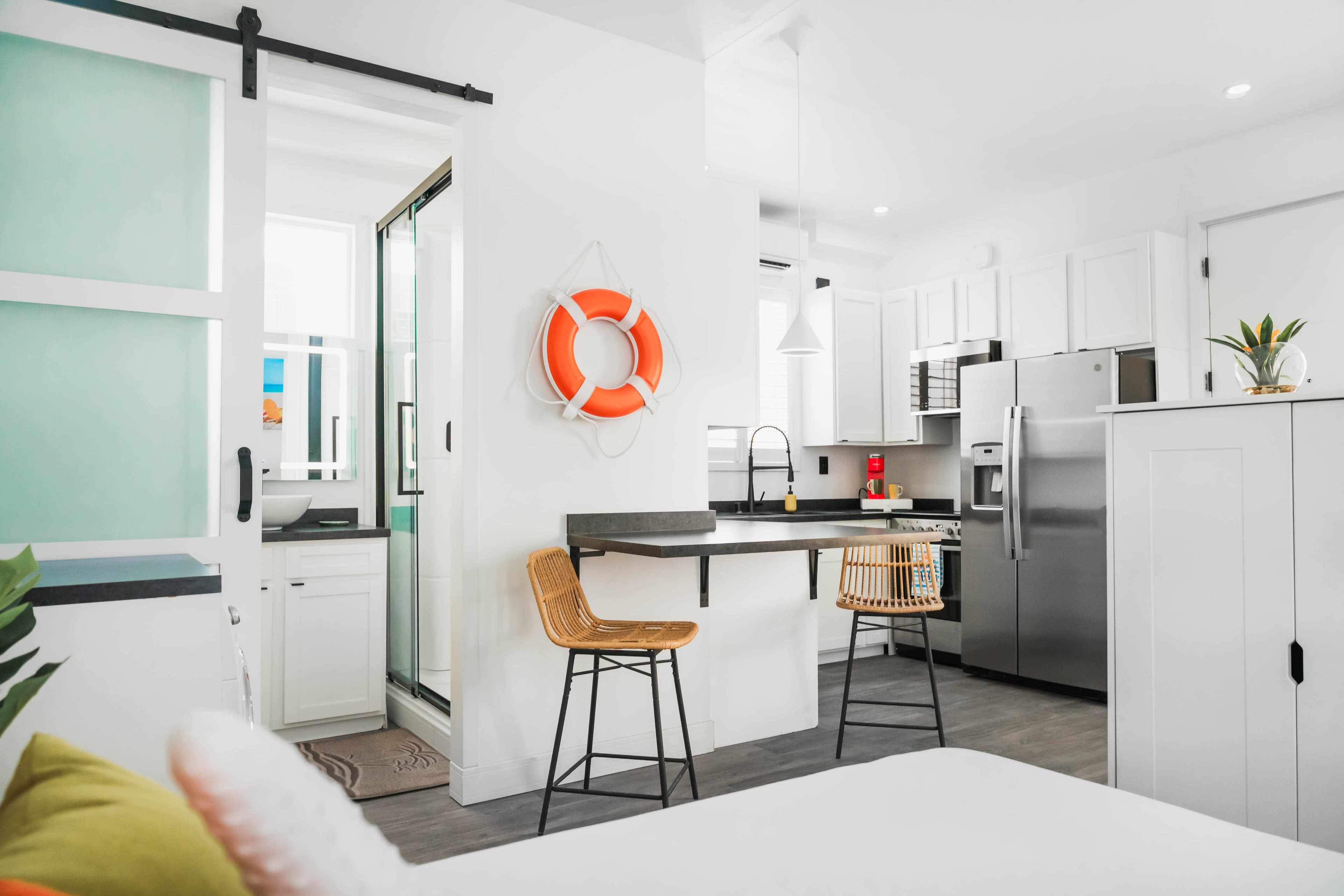
Materials and energy performance have moved forward too, along with the actual design. Tall ceilings, real windows, finishes that don't scream "starter home," none of that was standard a generation ago. Insulation and window performance have improved enough that utility bills are a genuine selling point now, not an afterthought.
Inspection and certification processes have also gotten more rigorous over the years, and standardized manufacturing has made it easier to hold a factory-built home to a consistent quality bar across units. That kind of process discipline is part of what's actually shifted, more than any single new feature.
The procedure of designing is also very different. A majority of factory builders now work from digital models before building anything. This helps in cutting down the guesswork and mistakes that would generally show up once the construction had started.
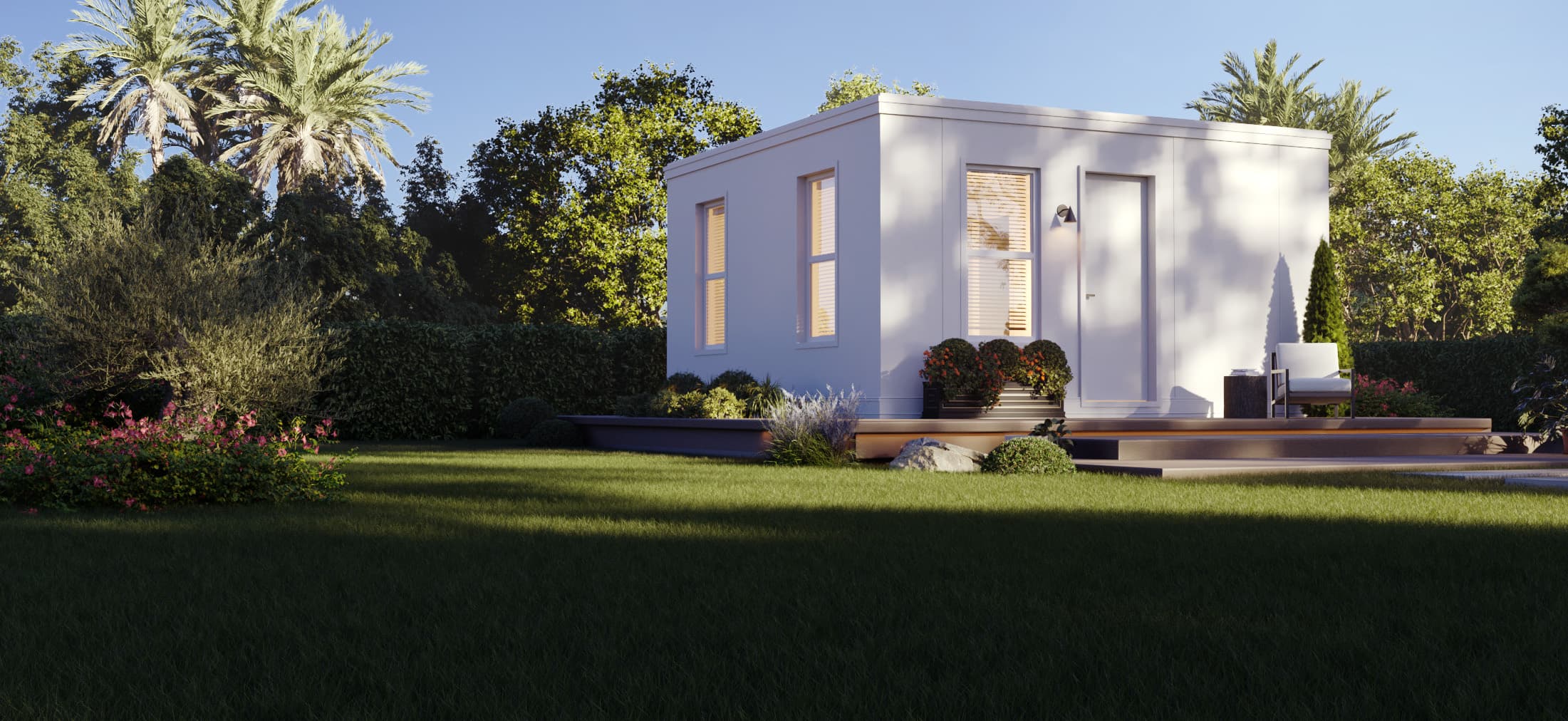
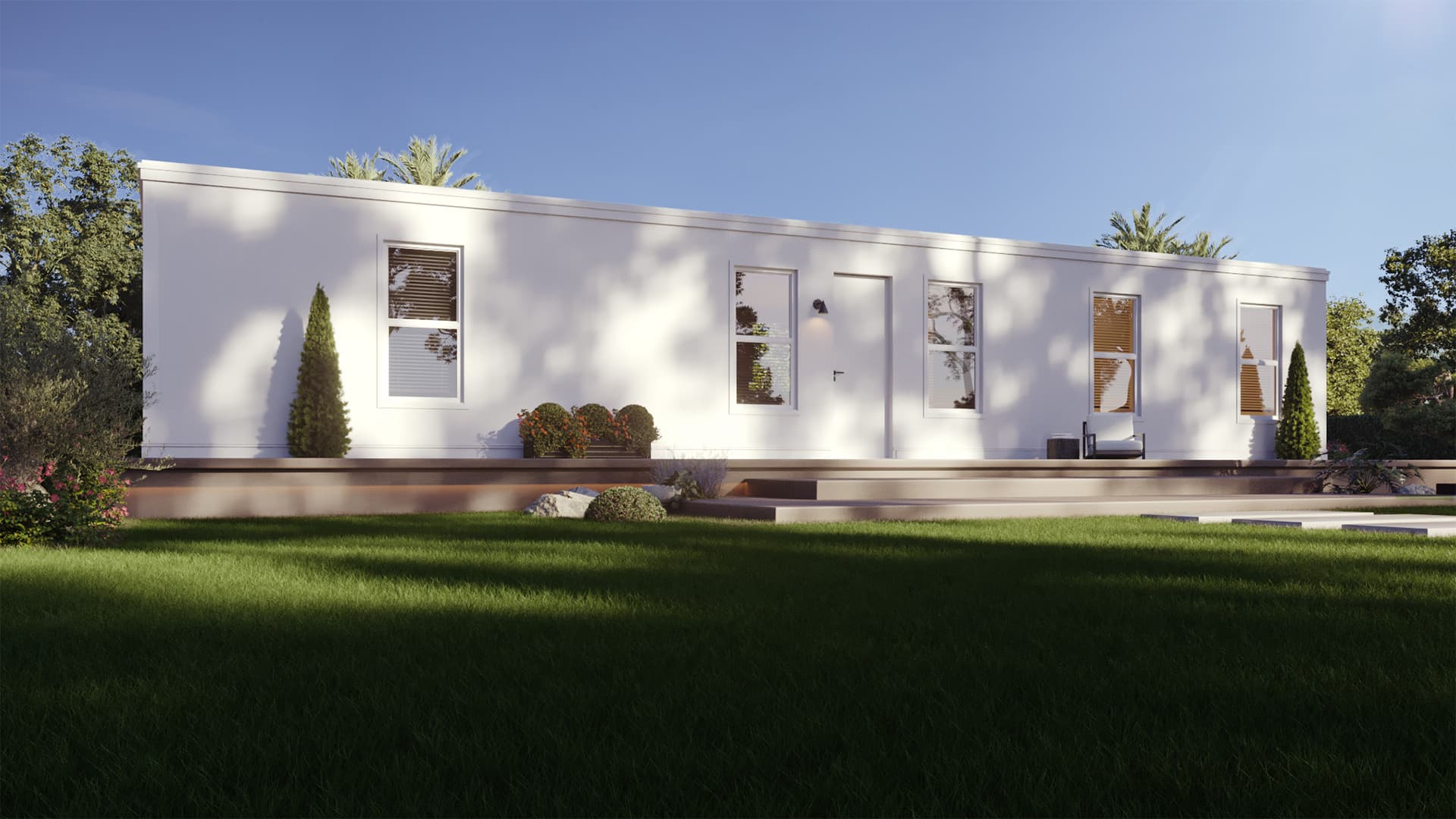
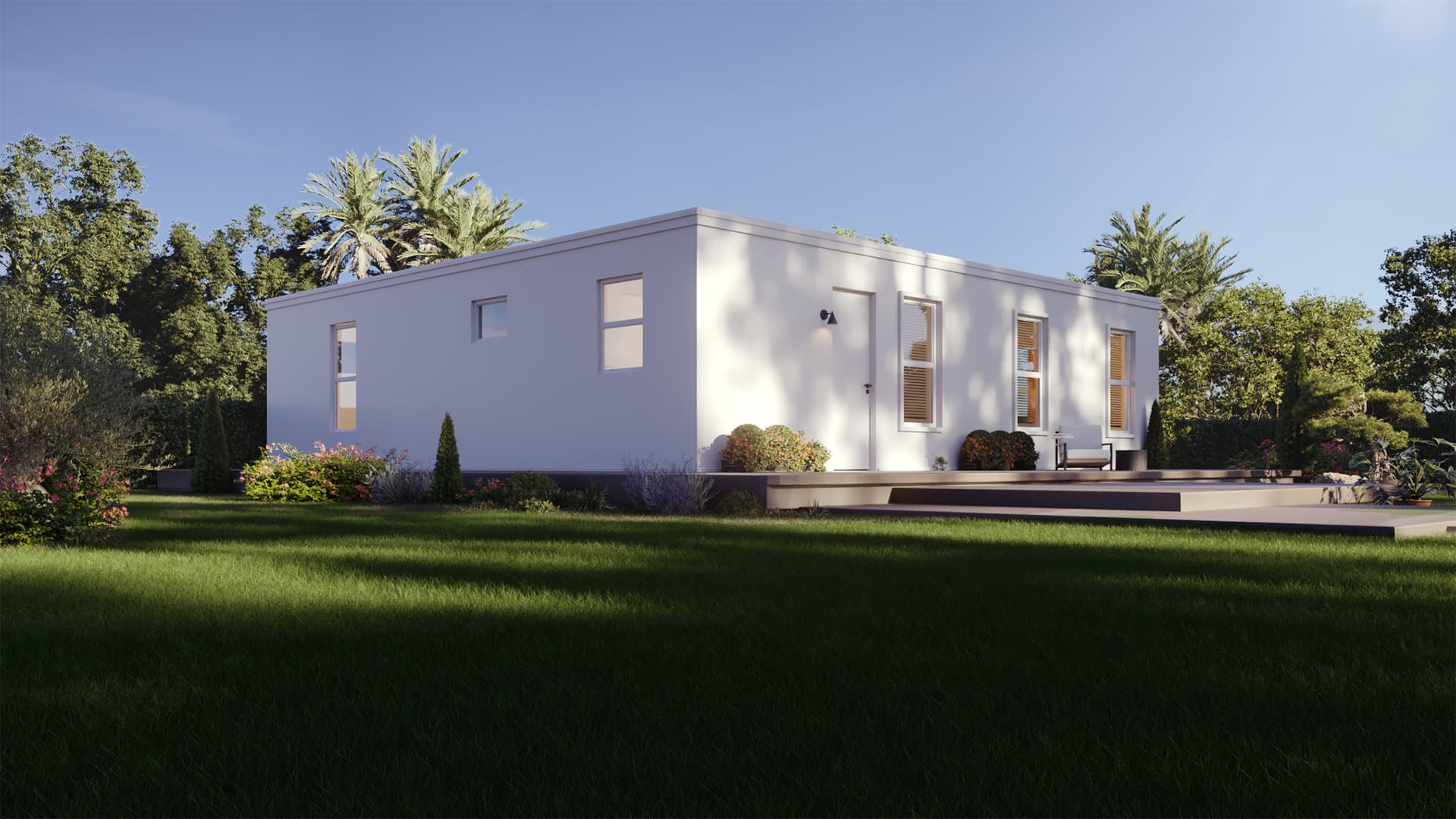
An example worth mentioning is the CrossMod. It's a new category in manufactured homes designed to look as well as perform more like a site-built house, offering features and construction choices that move it closer to the standard. It's not proof the whole industry has transformed. It's a sign of where things are heading.
How Manufactured, Modular, and Site-Built Compare Today
How They're Built and Regulated
Manufactured follows HUD Code nationwide. Modular follows whatever code applies locally. Site-built follows the same local code as modular, just constructed on-site from the ground up.
Construction Timeline
Factory construction tends to move faster than a home built entirely outdoors, since weather and subcontractor scheduling matter less. Permitting and site prep still take real time either way.
What Happens on the Property
Manufactured and modular homes are largely constructed off-site before being transported to the property for installation. Site-built homes are constructed there from day one.
Financing and Appraisal
This is shifting, but unevenly. Modular homes tend to appraise closer to site-built values in a lot of markets. Manufactured homes still face more variation depending on the lender, the location, and how the home is set up. Neither is guaranteed, and local practice matters more than a general rule ever will.
Design Flexibility
Modular homes can generally offer more customization, depending a lot on the builder and the production system behind them. Manufactured homes have closed a good part of that gap in recent years, though the two still aren't quite interchangeable. Floor plans, exterior finishes, room layouts, all of it has opened up considerably compared to what was on offer even a decade ago.
None of this makes factory-built homes automatically cheaper or lower quality. It just means the differences worth caring about are structural and regulatory, not cosmetic. A home can look nearly identical to its site-built neighbor and still fall under completely different rules once you look at how it was actually built and financed.
The Label Hasn't Caught Up to the Product
Manufactured, modular, and prefab describe different things, even though most people use them like they're the same word. The version of "manufactured home" living in most people's heads is years behind what's actually rolling out of factories now.
Today's factory-built homes can look and function much closer to what people expect from a traditional home than the stereotype gives them credit for. Worth seeing that difference for yourself before deciding what you think a factory-built home really is.