Manufactured Home or Modular Home? How to Tell Them Apart
The terms "manufactured home" and "modular home" have become so popularly used that many think they are interchangeable. However, they are not, and the distinction between them is crucial because it can help determine the building codes that govern the home, the type of foundation it will have, and how lenders may perceive it in the future.
A manufactured home complies with one national building code, while a modular home adheres to those local regulations that would apply to a house that was built completely on-site. This guide outlines not only what really makes the difference between the two but also where the newer factory-built housing types are making things confusing.
The Main Difference Between Manufactured and Modular Home
Manufactured homes are constructed according to the federal HUD Code, whereas modular homes are constructed according to state/local codes that apply to conventional houses. This is the regulatory basis from which the rest of the guide will be built, even though not all states treat foundations, classifications and financing in the same way.
Manufactured Homes: The Basics
| Attribute | Manufactured Homes |
|---|---|
| Built to | A federal construction and safety standard that applies nationwide, commonly known as the HUD Code. |
| Foundation | Depends on the site and installation method. Some manufactured homes sit on permanent foundation systems, others on non-permanent setups. |
| Chassis | Traditionally built with a permanent steel chassis, tied to the home's origins as a transportable structure. That's changing, covered further down. |
| Classified as | Often treated as personal property rather than real property, especially without a permanent foundation. That classification can affect financing and taxes. |
Modular Homes: The Basics
| Attribute | Modular Homes |
|---|---|
| Built to | The same set of state and local building codes, generally based on the IRC, as a home that is constructed completely on-site. That's the key aspect of a manufactured home, rather than just one particular. |
| Foundation | Usually put in place as a permanent structure, like a site-built home, although details may vary depending on the job and local laws. |
| Chassis | No permanent chassis accompanies the home. Sections move on a temporary chassis, which is then stripped away after the home is installed. |
| Classified as | Generally classified as real property, like a site-built home, after installation. |
Side-by-Side Comparison of Modular and Manufactured Homes
| Manufactured Homes | Modular Homes | |
|---|---|---|
| Code | Federal HUD Code | State and local building codes (IRC-based) |
| Foundation | Depends on site and installation method | Generally permanent |
| Chassis | Traditionally permanent, though this is evolving | Temporary transport frame, removed after setup |
| Classification | Often personal property | Typically real property once installed |
| Financing | Depends on foundation type, land ownership, and lender requirements | Depends on the same factors, though many lenders treat it closer to a site-built home |
| Appreciation | Tied to the property, foundation, and local market, not the category alone | Tied to those same factors |
| Approval timeline | Depends on site, installation, and local requirements | Varies by state and local review process |
Why the Difference Actually Matters
- Mortgage qualification and financing may also depend on the type of foundation and the ownership of the land as much as being manufactured or modular.
- The resale value and evaluation of these homes will be determined not only by whether they are code-compliant but also by the lender and installation process.
- There are different requirements for installation and use of land in other counties than what there is in yours.
Where This Gets Blurry: Newer Factory-Built Categories
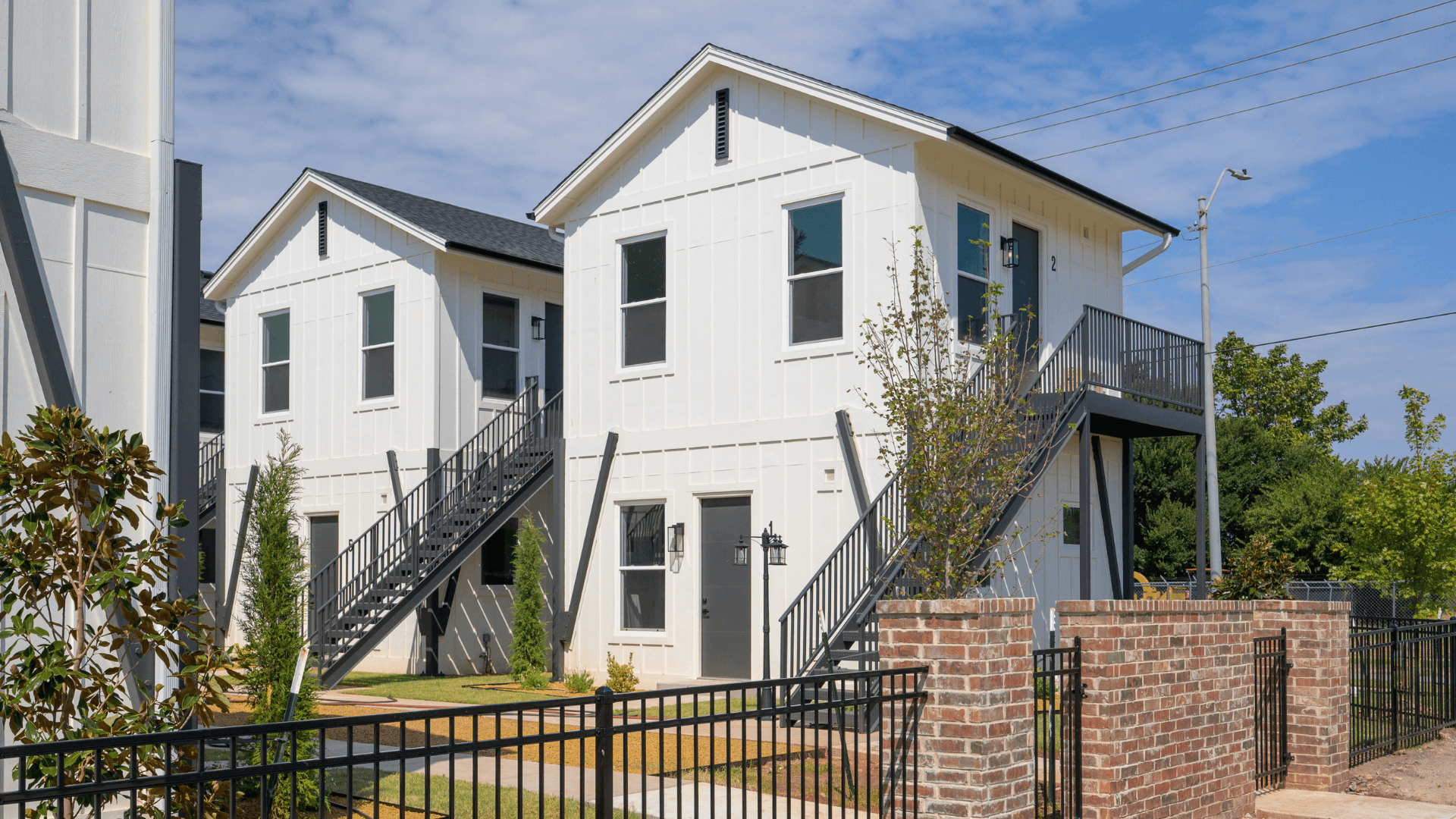
Factory-built housing is constantly evolving, and there isn't always a clear distinction between modular homes and manufactured housing like it used to. For instance, CrossMod homes are constructed under the HUD code and have features that are normally seen in site-built homes, including gable roofs and permanent foundations.
Two other federal developments of interest include HUD's June 2026 proposed rule to eliminate the permanent chassis requirement for upper-level sections of manufactured homes with multiple stories, which remains an open-ended rule without a final rule yet in place, with its comment period ending August 11, 2026.
Congress acted more quickly and decisively. The 21st Century ROAD to Housing Act was signed into law on July 11, 2026, and the manufactured housing portion of the act modifies the definition of manufactured homes to include homes not constructed on a permanent chassis, which modification has already been made and is even broader than the one that HUD proposed. Both of these actions suggest that the chassis, the easiest method for distinguishing between the two types of homes, is becoming increasingly unreliable.
Strong Clues (Not a Definitive Test)
None of these prove a home's classification on their own, but together they're a solid starting point, especially when you can't pull permit records on the spot.
- Look for the HUD certification label, a red metal tag usually attached near the rear exterior of a manufactured home.
- Check whether a chassis is visible, but don't treat it as proof either way. Newer manufactured homes and hybrid categories are increasingly built without one.
- Check the foundation, but don't rely on it alone. Manufactured homes can be installed on permanent foundations, while modular homes are generally permanent from the start.
- Ask how the home was permitted. Manufactured homes are certified to the federal HUD Code, while modular homes typically go through the same state and local permit process as a site-built house, though available records vary by jurisdiction.
Where a Boxabl Casita Fits In
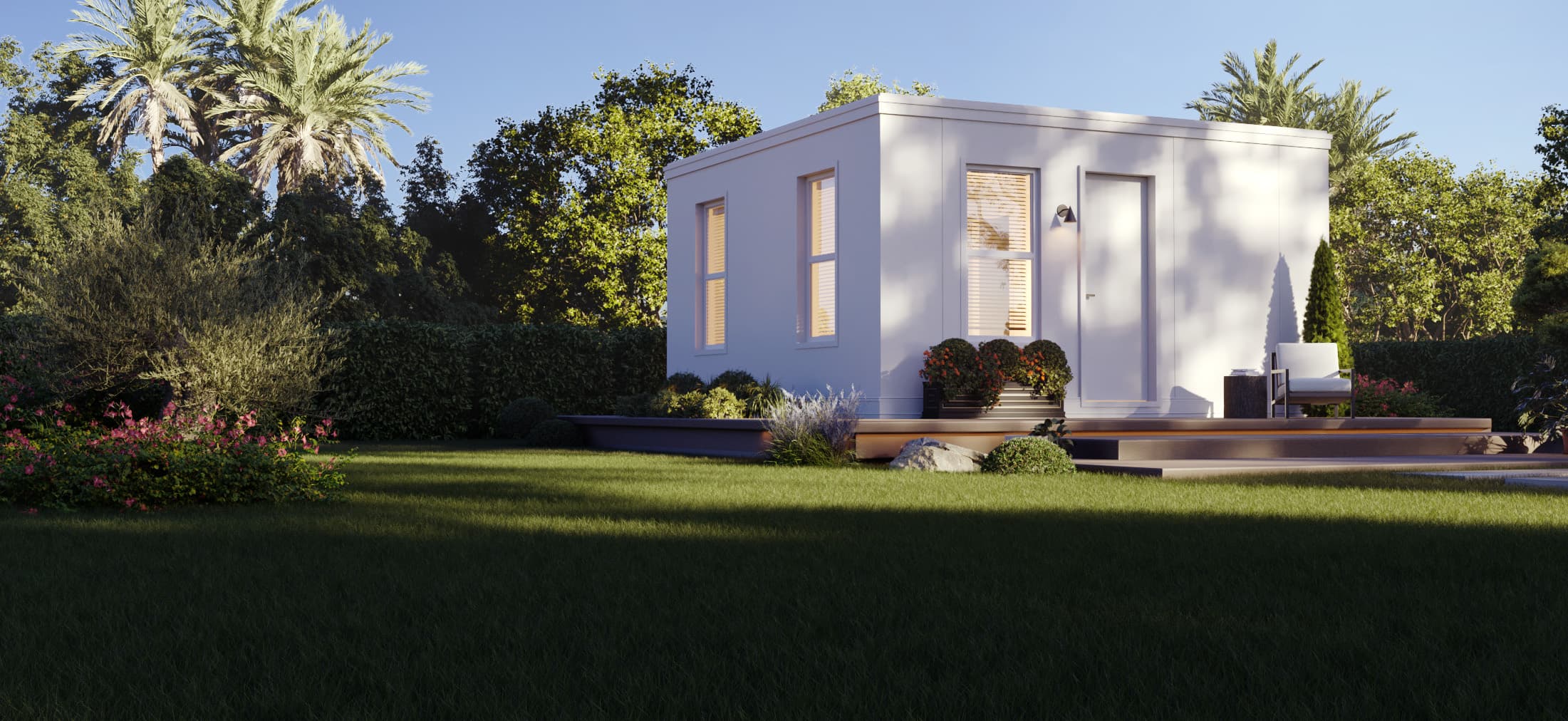
Boxabl notes that the Casita is a modular building, not a manufactured or HUD home. The Casita is designed and documented per the residential building code instead of the federal HUD code; it has been approved as a state modular in Arizona, New Mexico, and California. Where there is no state modular program, the installation process goes through the local jurisdiction approval process. Check out the current prices of the Casita Studio or find out about financing a modular ADU.
Which Box Are You Actually Building?
The label of the factory-built house is not just about paperwork; it influences your financing, resale, and where you are allowed to install it. With the information about what to look out for, it is now time to analyze how a documented modular housing unit, such as the Casita, is manufactured and authorized before creating your own design.