Modular Homes vs. Traditional Site-Built: What's the Real Difference?
Housing in the U.S. is under more strain than it has ever been in decades. Traditional construction can't always keep pace with what buyers need: faster timelines, affordability, and efficient use of space. Permitting backlogs, labor shortages, and rising material costs have pushed timelines and budgets up, and first-time buyers are feeling the squeeze most.
Modular homes offer a real answer. They meet the same building standards as traditional homes while using a controlled, factory-driven process that delivers finished, energy-efficient spaces in a fraction of the time.
For anyone weighing speed, cost, and quality, modular construction isn't a fallback option anymore. It's quickly becoming a more standard path forward.
Where the Two Actually Diverge
The list below covers the differences that actually matter if you're weighing which route to take, from how the home goes together to what it costs over the first five years after ownership.
1. How They're Built
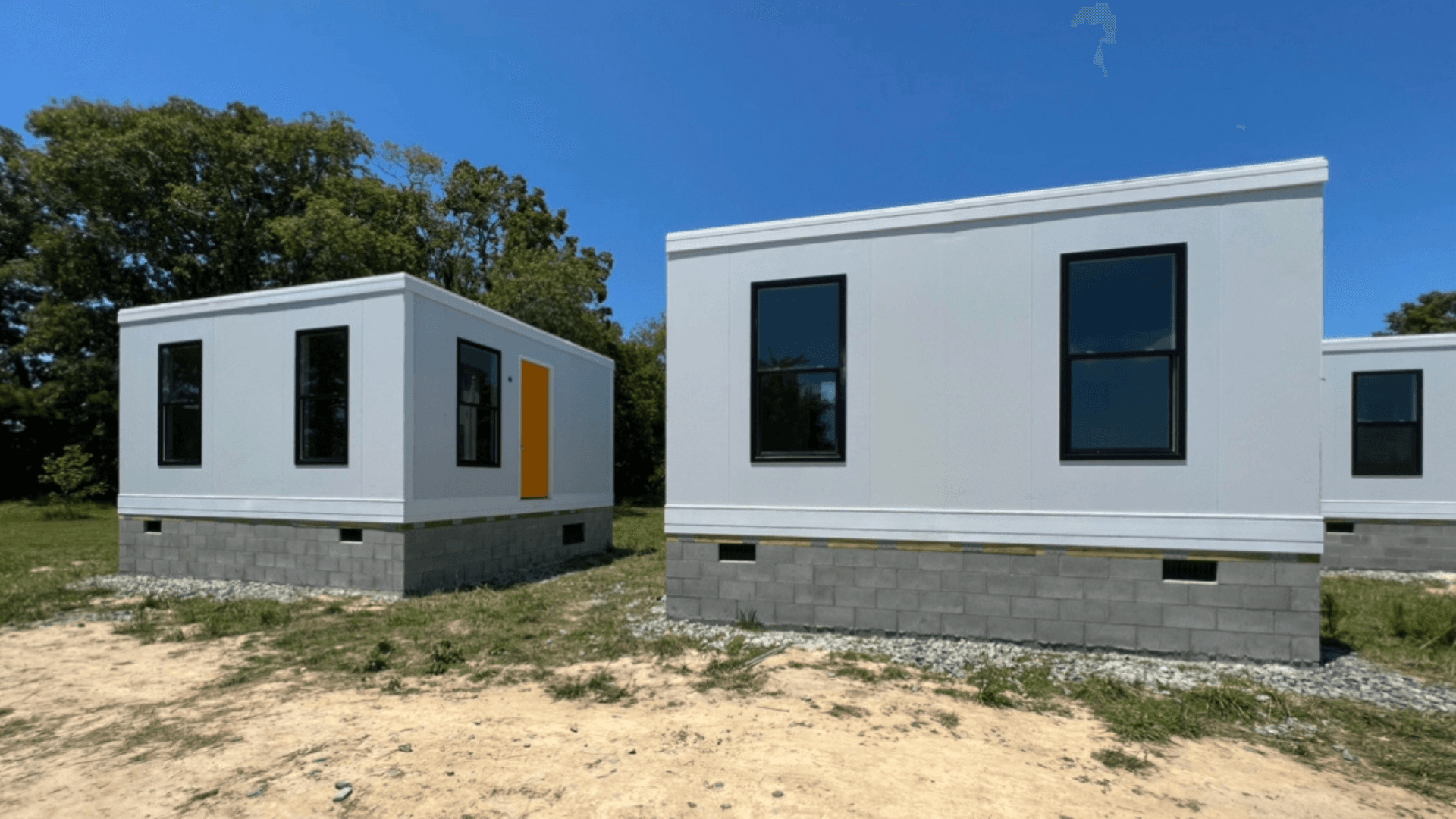
A traditional home is built piece by piece and exposes the whole project to weather conditions, labor availability, and material delivery schedules. A modular home is built in sections inside a factory, under consistent conditions and quality checks, then transported to your site for assembly with a crane.
Both types of homes must comply with the local and state building laws. However, a traditional house is inspected during on-site construction, but a modular house goes through an inspection process in the factory.
2. Cost and Long-Term Value
Conventional construction is exposed to increasing labor costs, material price fluctuations, and schedule delays, which create unexpected expenses for homeowners.
Because modular construction is built quicker and has less waste, costs are usually easier to manage. Whereas, modular projects provide predictable pricing, meaning that homeowners are protected from surprises that usually occur in the traditional construction process.
3. Timeline and Disruption
A traditional home can take a year or more, with long on-site phases and frequent delays stacked one after another.
Building a modular home is faster and easier than a traditional home because the modules are manufactured at the factory while the foundation is being prepared, so the entire process is completed simultaneously, which helps achieve faster construction with a more reliable outcome.
4. Durability and Longevity
A well-built home lasts generations regardless of method, but factory conditions make consistency easier to guarantee.
Every module goes through the same quality checks before leaving the plant, while a traditional build quality can vary with the weather and the crew managing the project.
Materials sitting outdoors are usually exposed to rain, humidity, and temperature changes. If maintained properly, a modular home's lifespan matches or exceeds a traditional one.
5. Energy Performance
Modular homes can earn the same ENERGY STAR certification as site-built homes, under the same efficiency requirements set by the EPA.
Tighter factory tolerances improve air sealing and more consistent insulation than field-installed work. Since the same process is repeated every time, homeowners see improved efficiency and lower utility costs.
6. Design Flexibility
Many people believe that "modular" refers to a few generic floor plans. In reality many architectural styles can be built using modular methods if the design can be divided into transportable sections.
From interior configurations and finishing to the number of rooms, homes built in modular ways can be as different as conventional ones, and buyers often realize how normal their homes look at the end of the construction process.
7. Environmental Impact
Traditional construction generates large amounts of waste and creates significant greenhouse gas emissions due to overuse of materials. Much of that waste ends up in a landfill.
The Modular Building Institute reports that factory-built construction can cut waste by up to 90%. This is because materials are ordered precisely for each build and mistakes are caught before a module ever leaves the plant, rather than after it's already framed into a wall.
Why More Buyers Are Considering Modular Construction
One of the biggest advantages of modular construction is greater predictability. Because much of the work happens indoors, builders can maintain a more consistent schedule and avoid many of the weather-related delays that affect traditional projects.
This level of control can be especially valuable in regions where extreme weather conditions or seasonal changes make outdoor construction more challenging.
Modular homes also provide benefits beyond the initial build. Since they are designed and assembled using precise manufacturing processes, many modular homes meet strict efficiency and performance standards from the beginning. Homeowners can spend less time managing construction issues and more time focusing on personalizing their finished space.
As housing demand continues to rise and affordability remains a challenge, modular construction is gaining attention as a practical alternative. It gives buyers another way to achieve a custom-built home while reducing some of the uncertainty that comes with traditional construction.
Where Boxabl's Casita Fits In
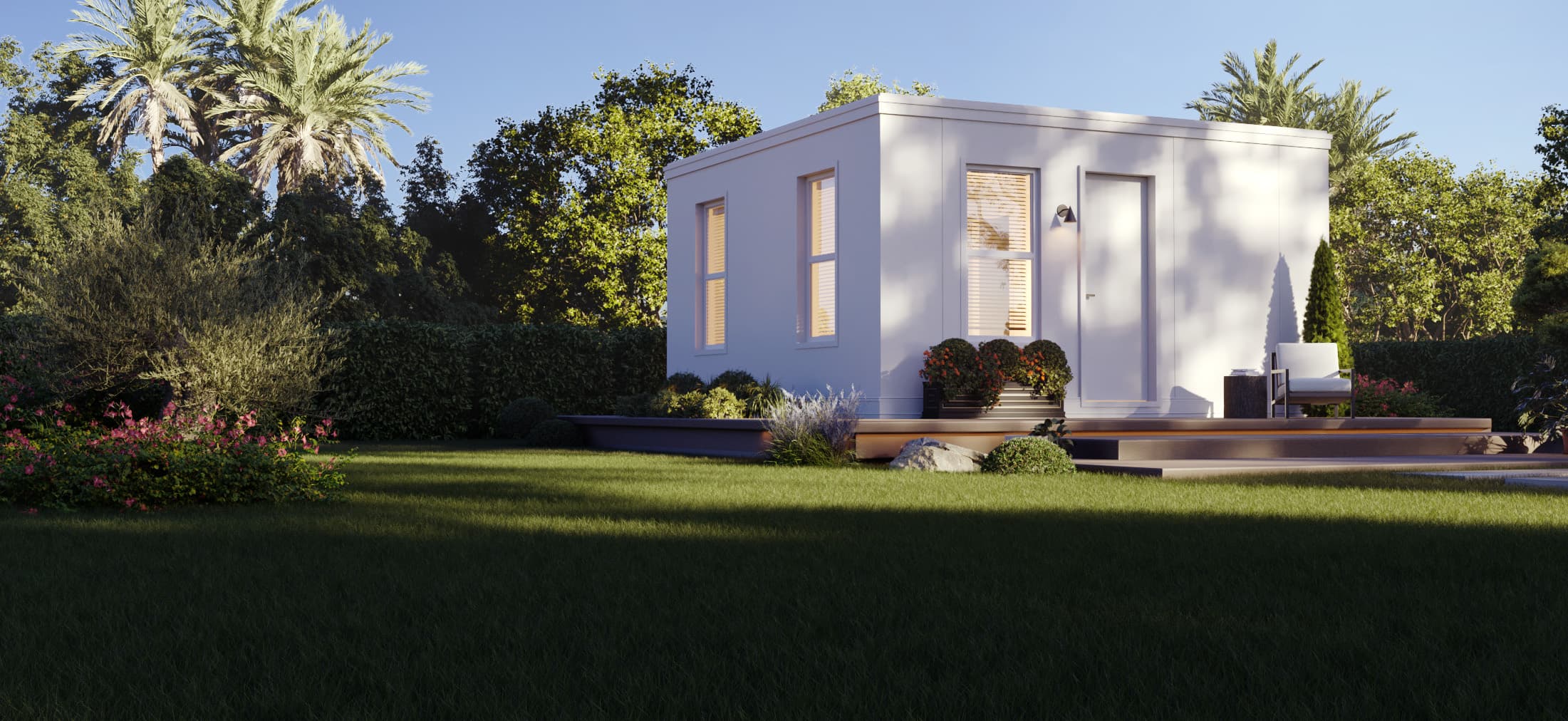
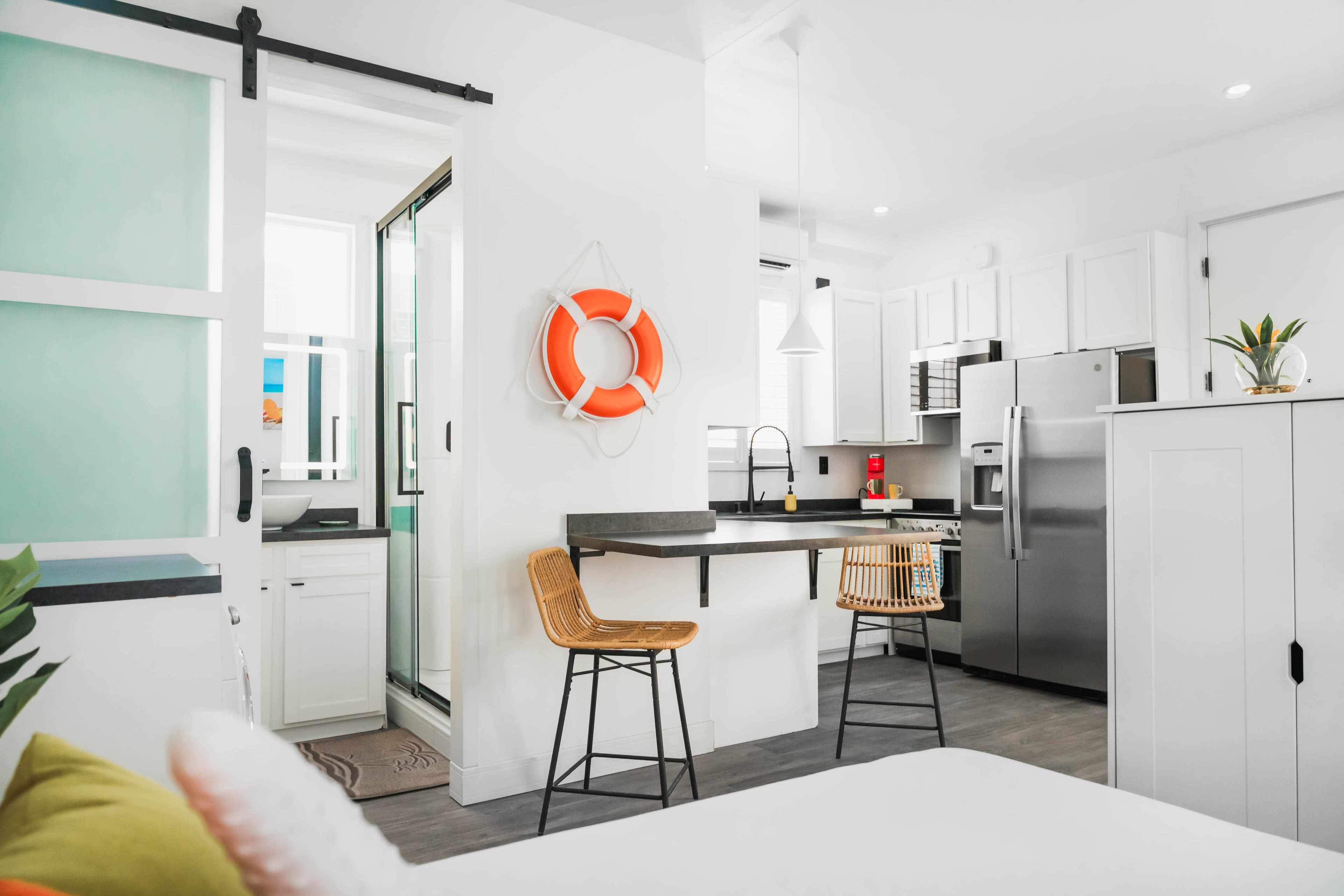
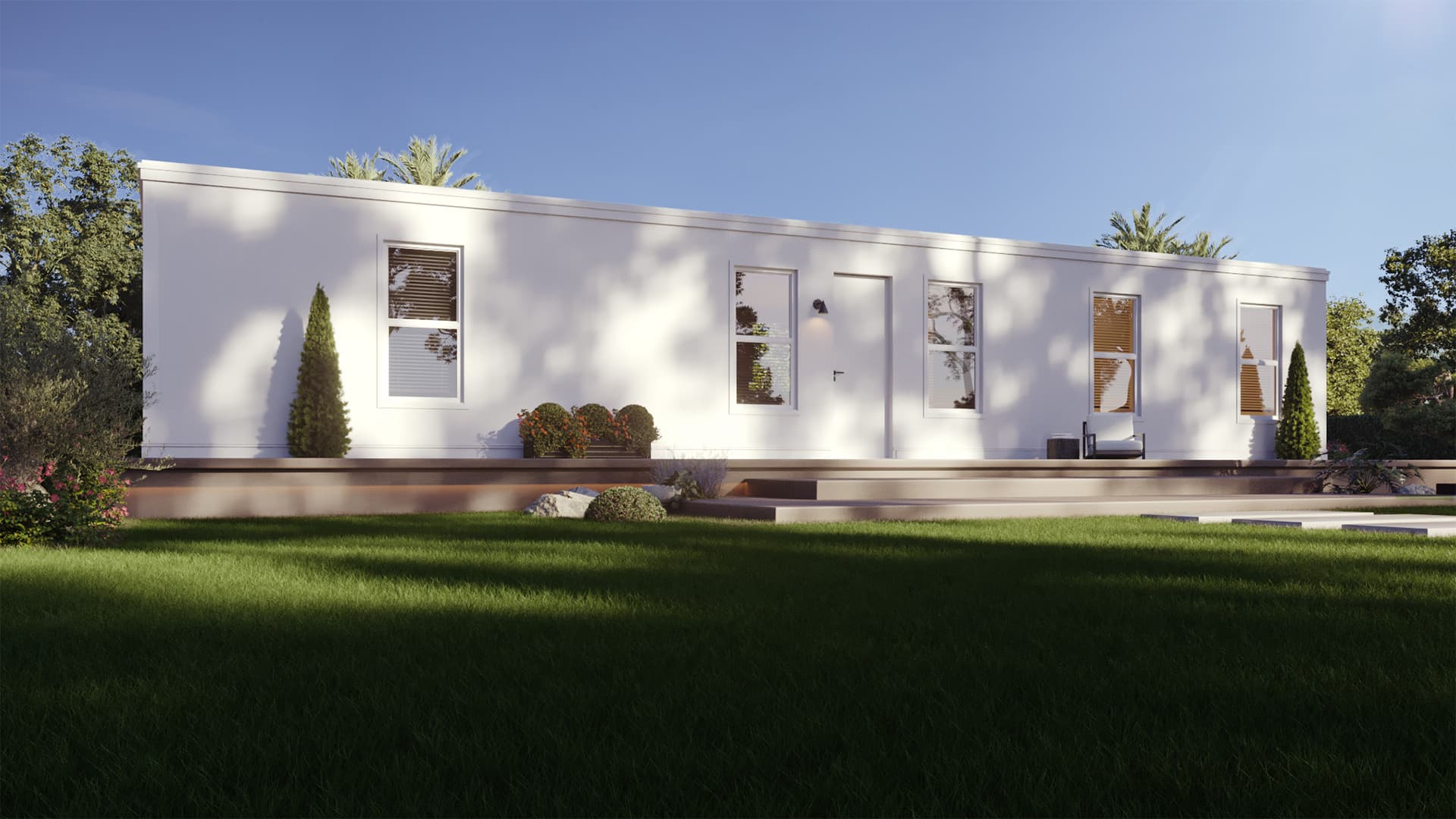
Boxabl's Casita line takes the factory-built idea further than the traditional multi-section unit. Rather than shipping multiple modules that are assembled and joined on location, Boxabl's Casita is produced and completed as a single unit that folds flat for transport and unfolds directly onto your foundation.
You can see the process in the Casita gallery. For those considering larger construction projects, Boxabl's developments page covers what the same approach looks like for entire communities, from workforce housing to full residential developments.
Build Your Dream Home with Modular Design
Modular homes and traditional homes aren't really competing in quality. They're built to the same standards, using the same materials, and can end up looking identical once the paint dries and the landscaping goes in.
Speed, cost predictability, and control over the process- those are the three things that make a best decision, and indoor construction has the edge on all three. Boxabl's Casita lineup is worth a look if you want to see that difference firsthand.